
What Is Robotic Surgery? Benefits, Safety and Recovery Explained
By Jade Speciality Hospitals1 min readUpdated 6 October 2026
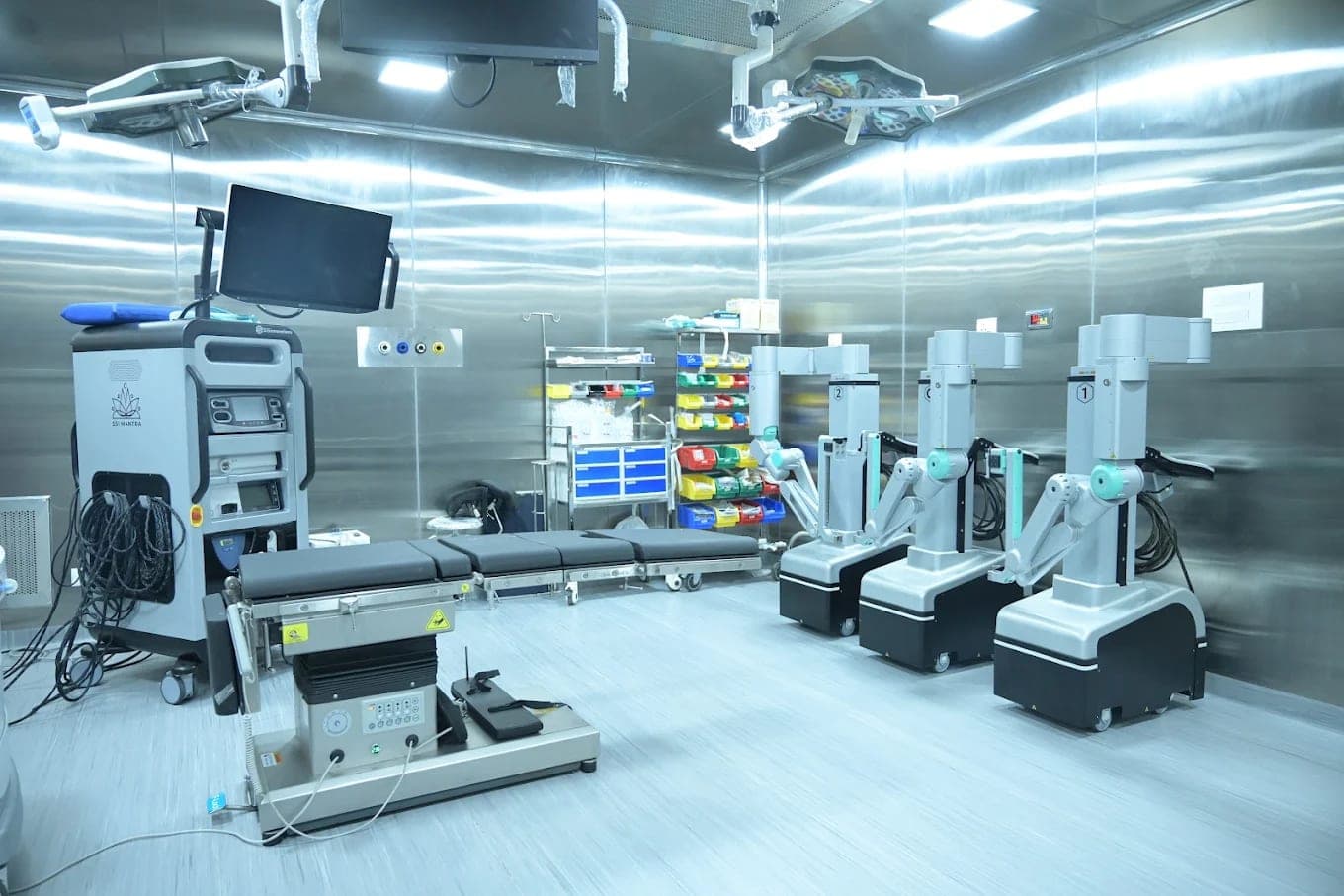
Robotic surgery is an advanced form of minimally invasive surgery. Instead of one large cut, the surgeon makes a few small incisions and controls slim robotic arms from a console beside the patient.
How does it work?
The robotic arms carry a high-definition 3D camera and fine surgical instruments. They copy the surgeon's hand movements exactly, filtering out tremor and allowing a wider range of motion than the human wrist. The surgeon is always in control — the robot never operates on its own.
What are the benefits?
For suitable patients, robotic surgery can mean:
- Smaller incisions and smaller scars
- Less blood loss
- Less pain after the operation
- A shorter hospital stay
- A faster return to normal activities
Who can have robotic surgery?
It is used across gynecology, general and gastrointestinal surgery, and surgical oncology, among others. Whether it is right for you depends on your diagnosis, medical history and the type of operation needed. Not every patient is a candidate, and sometimes traditional or laparoscopic surgery is the better choice.
Is it safe?
Robotic surgery is performed by trained surgeons and has an established safety record. As with any operation, there are risks, which your surgeon will explain before you decide.
How do I find out if it is right for me?
The first step is a consultation. Your doctor will review your condition and scans and explain all the treatment options, so you can choose with confidence.
- #robotic surgery
- #minimally invasive
- #recovery